**Overview of the Destination**
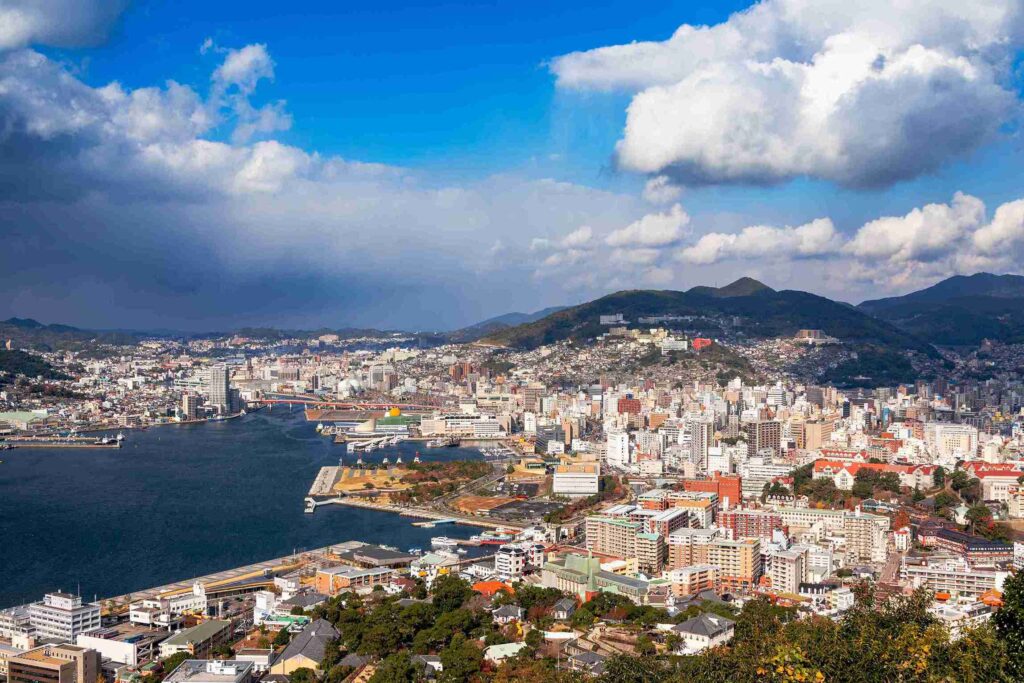
Nagasaki, a picturesque port-city located in the southwestern part of Japan, is best known for its compelling history, vibrant culture, striking architecture, and captivating sights. It’s one of the two cities of Japan, along with Hiroshima, that witnessed the devastating effect of nuclear detonations during World War II. Today, this city is a symbol of peace and resilience, drawing travelers who value history and culture. Its mix of Japanese, Chinese, and Western influences, stunning gardens, ancient temples, and world-class museums make it a destination worth visiting.
**Best Time to Visit**
The best time to visit Nagasaki is in Spring (March-May) and Autumn (October-November), when weather conditions are mild, and the landscape gets adorned with cherry blossoms or autumn hues. However, Nagasaki Lantern Festival in February is a delight to watch, when the city hosts over 15,000 lanterns in honor of the Chinese New Year. Summer (June-September) can be quite hot and humid, while winters (December-February) are generally cold but manageable.
**Climate & What to Pack**
Nagasaki experiences a humid subtropical climate, with hot and humid summers (around 26-32°C) and rather mild winters (around 5-10°C). Depending on your travel time, you should pack accordingly. For spring/autumn, light clothing along with a sweater or light jacket is advised. For summers, carry light, breathable clothes. Winter requires warmer clothing, including a coat, scarf, and gloves. Remember to pack an umbrella or raincoat, as rain showers can be frequent.
**Getting There**
The nearest major airport is the Nagasaki Airport. From here, you can take an airport limousine bus which will take you to the Nagasaki city center in around 40 minutes. Travelers from many countries can visit Japan visa-free for a short-term stay, but always check your visa requirements before travel.
**Getting Around Locally**
Navigating Nagasaki on foot allows you to soak in the local environment better. For longer distances, the city’s tram system is efficient and easy to use. Taxis and rideshares are also readily available. While renting a car can be an option, parking can be challenging in the city center. Remember, Japan drives on the left side of the road.
**Safety Tips**
Nagasaki is generally a safe city, even for solo or female travelers, with low crime rates. Common sense precautions like not displaying expensive items keep your belongings secure should be taken. Be aware of local customs to avoid accidental disrespect. For instance, it’s considered rude to talk loudly in public transport.
**Top Things to Do & See**
Don’t miss the Peace Park, Atomic Bomb Museum, and Nagasaki Hypocenter Park that shed light on the city’s past. The Nagasaki Ropeway offers stellar views of the city. For nature lovers, a visit to Glover Garden and Hashima Island is a must. Nagasaki’s Chinatown and Spectacles Bridge are also favorite spots.
**Where to Stay**
For luxury stays, Garden Terrace Nagasaki is a great choice. Mid-range options include Dormy Inn Nagasaki and Richmond Hotel. Affordable accommodations can be found in Oyado Cocochi or in local guesthouses. Areas near Nagasaki Station or Chinatown are recommended for their convenience and easy access to major attractions.
**Food & Local Cuisine**
Nagasaki’s diverse history has influenced its culinary scene. Savour a bowl of Nagasaki Champon, a local noodle dish, or try the Portuguese-inspired Castella cake. A range of both Japanese and international cuisine can be enjoyed here. Head to Chinatown for street food or Shianbashi area for local Izakaya (bar) hopping.
**Cultural & Practical Tips**
The local currency is the Japanese Yen and the language spoken is Japanese. While tipping is not customary in Japan, polite behavior and cleanliness are very much appreciated. Japan uses Type A and Type B plug outlets and operates on 100V voltage. Wi-Fi access is usually available in hotels, and some public areas.
**Sustainable or Responsible Travel Tips**
Travelers are encouraged to respect local cultural norms and environment. Make use of public transport, carry a reusable water bottle, avoid single-use plastics, and support locally produced souvenirs.
**Personal Travel Tip**
Lastly, immerse yourself in the history and vibrant culture that Nagasaki eagerly offers. Take the time to interact with the locals and indulge in their captivating stores of resilience – it will add a heartening depth to your Japanese adventure. Remember, the essence of Nagasaki lies not only in its beautiful physical attractions but also in the spirit of its people.