**Overview of the Destination: Mount Fuji**
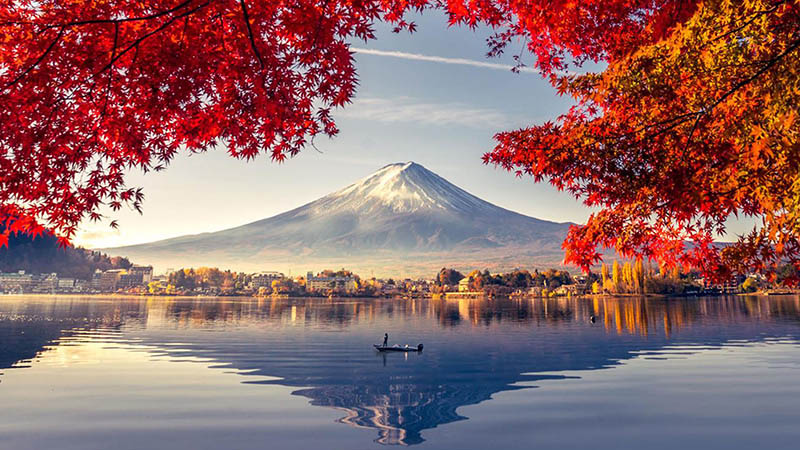
Mount Fuji is Japan’s highest mountain and one of its most iconic landmarks. Known for its uniquely symmetrical cone shape, it is featured in many works of art and often symbolizes Japan. Located on Honshu Island, it is a famous pilgrimage site with several routes leading to the summit. For those not quite so adventurous, the surrounding Five Lakes region offers stunning views of the magnificent peak. Mount Fuji is not only an iconic sight but also a deeply spiritual place. It’s truly worth visiting for its natural beauty, cultural significance, and the unforgettable climbing experience.
**Best Time to Visit:**
The best time to visit Mount Fuji is during the summer climbing season, which runs from early July to mid-September. During this period, the conditions are less severe and mountain huts along the track are open. However, the trails can get quite crowded, especially during Obon Week in mid-August.
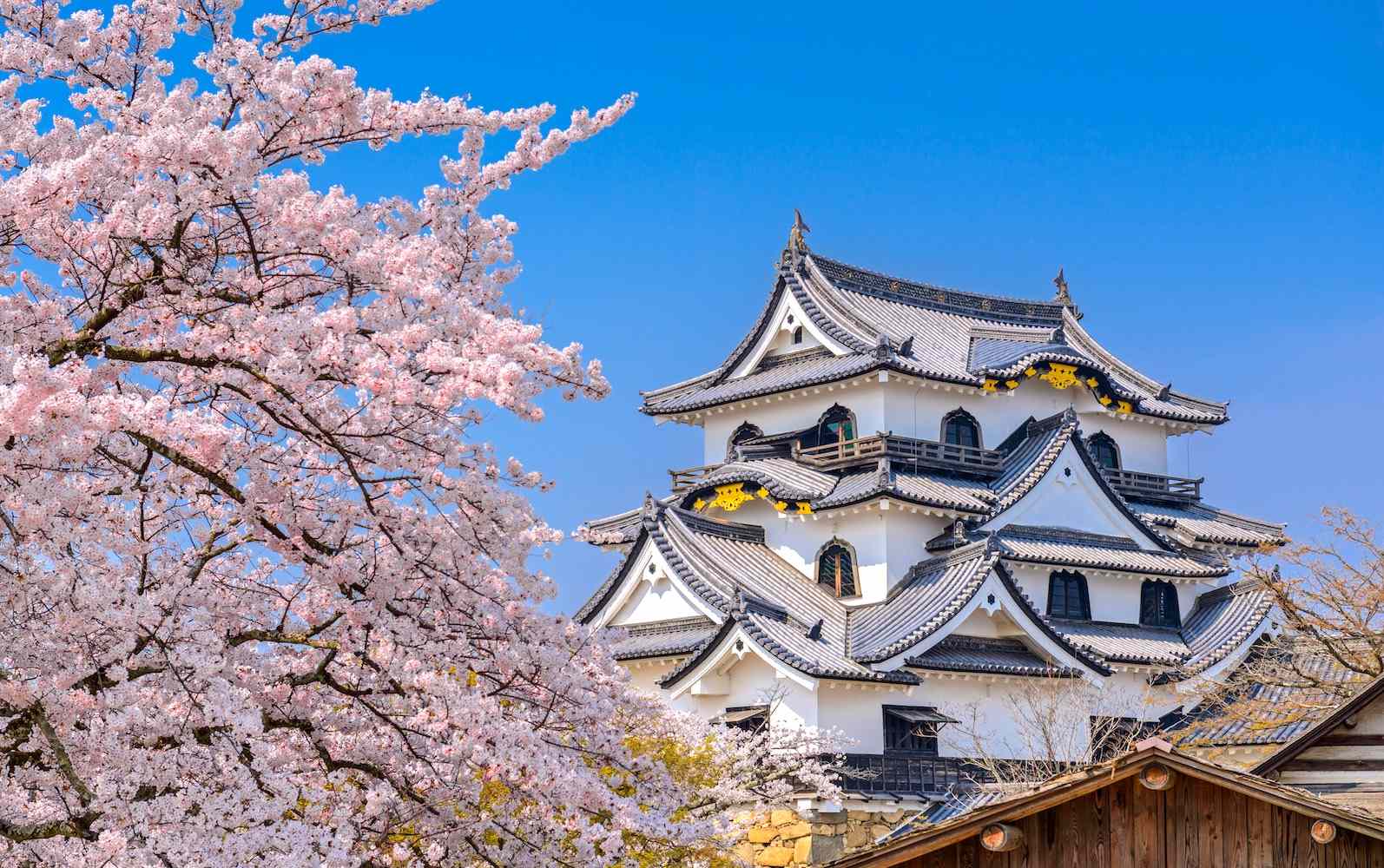
For those seeking to avoid the crowds and enjoy the cherry blossoms, spring (March to May) is an excellent off-peak time to visit. The Fuji Shibazakura Festival, which takes place from mid-April to late May, offers an amazing sight of blooming pink moss with Mount Fuji as a backdrop.
**Climate & What to Pack:**
Mount Fuji has a varied climate with the temperature decreasing as you ascend. The summer season can still be rather chilly at the top, with temperatures averaging around 5-8°C (41-46°F). Snow can be found at the summit, even in summer.
When packing, consider layers including a good quality, waterproof jacket, hat, gloves, warm layers and durable hiking boots for comfort. Also, pack sun protection and goggles or sunglasses for wind and sun glare. Don’t forget a sturdy backpack, plenty of water and energy-rich snacks!
**Getting There:**
The nearest major airport to Mount Fuji is Tokyo’s Haneda Airport. From there, you can take a bus directly to the Five Lakes region at the base of Mount Fuji, which takes about 2-3 hours. Japan offers a 90-day visa-free stay for many countries, but it’s always best to check the current rules before you plan your travel.
**Getting Around Locally:**
Public transportation in the Mount Fuji region is extensive, with bus routes spanning the region, including a direct route to the fifth station, the starting point for most climbers. Taxis and rideshares are also available, and renting a car is a good option if you plan to explore more extensively.
**Safety Tips:**
The safety level around Mount Fuji is generally excellent. Common tourist scams are rare, but as with travel anywhere, keeping cautious of your belongings is recommended. Moreover, when climbing the mountain, listen to local advisories, stay on authorized pathways, and know your fitness limits. Lack of preparation is a safety risk, so be sure to venture within your comfort zone.
**Top Things To Do & See:**
1. **Climbing Mount Fuji:** An absolute must-do, this challenging hike can take anywhere from 5-10 hours, depending on your starting point and pace.
2. **Lake Kawaguchiko:** The largest of the Fuji Five Lakes is known for its hot springs, museums, and views of Mount Fuji from the northern shore.
3. **Fuji-Q Highland:** This amusement park boasts record-breaking roller coasters with an amazing view of Mount Fuji.
4. **Aokigahara Forest:** Nicknamed the “Sea of Trees,” this forest at the base of the mountain offers unique trekking opportunities.
**Where to Stay:**
Luxury travelers might want to check in at the Konanso in Kawaguchiko, which offers impressive views of Mount Fuji from its rooms. Mid-range travelers often prefer Fujizakura Inn with its friendly service and comfortable rooms. For budget travelers, K’s House Fuji View Hostel is a highly recommended option.
**Food & Local Cuisine:**
Savor Japan’s delicious cuisine while in the Mount Fuji region. Try Hoto, a hearty hot pot dish native to the Yamanashi area, and Yoshida Udon, a local noodle dish. Don’t miss the freshwater fish from the Fuji Five Lakes, particularly the specialty grilled rainbow trout.
**Cultural & Practical Tips:**
The local currency is the Japanese Yen, and while credit cards are accepted in many places, it’s good to keep cash handy as some smaller establishments may not accept cards. The local language is Japanese, and English proficiency may vary. Standard voltage in Japan is 100V, and the plug types are A and B. Free Wi-Fi is provided at many public places, including train stations, cafes, and official tourism offices.
**Sustainable or Responsible Travel Tips:**
When climbing Mount Fuji or hiking in the surrounding areas, remember to stick to the paths to protect the vegetation. Dispose of any litter responsibly, ideally taking your waste away with you. Respect local customs, and remember that Mount Fuji is considered sacred.
My personal tip? When climbing Mount Fuji, pace yourself, start slow. The views are spectacular, be sure to take some breaks to appreciate the beauty around you! Enjoy your adventure to Mount Fuji, a truly unforgettable journey.