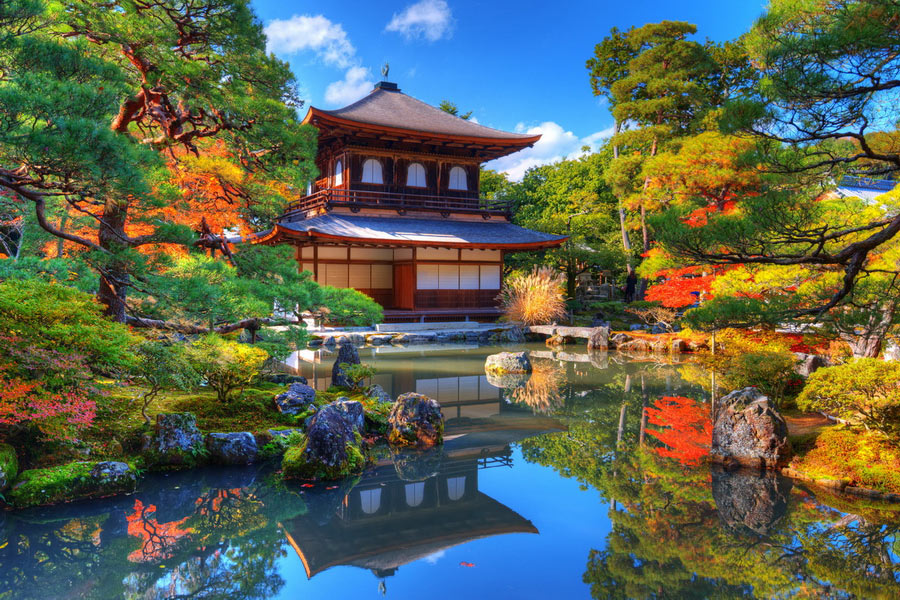
**Overview of the Destination: Kyoto, Japan**
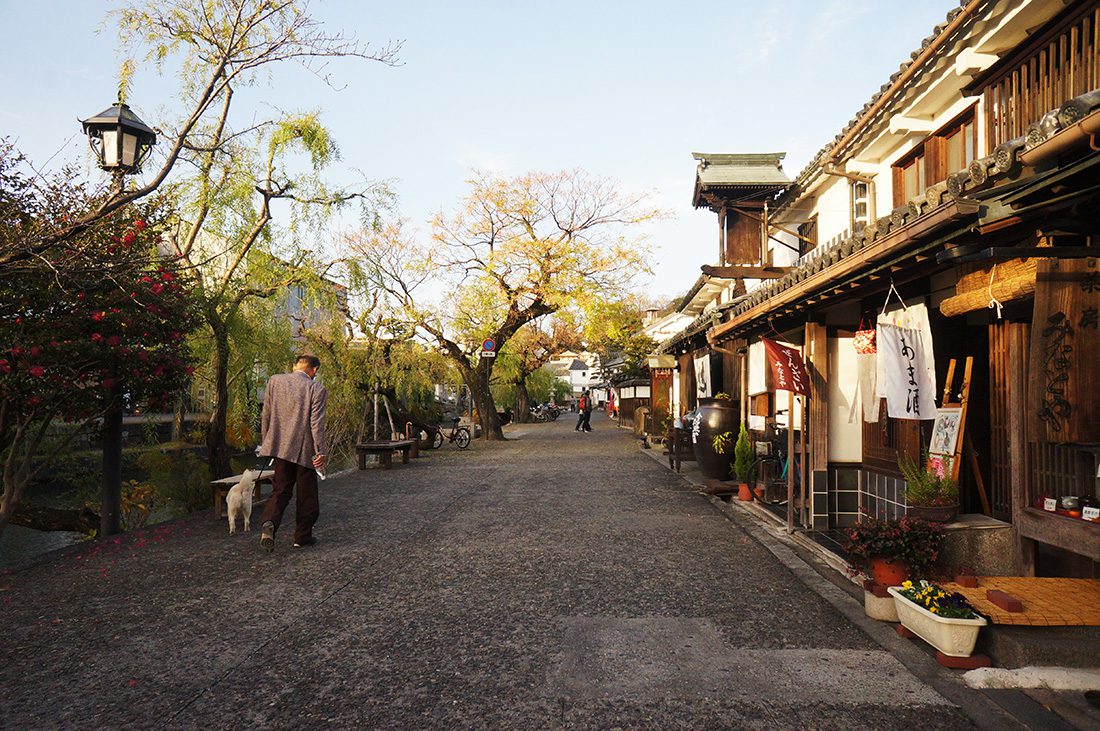
Known as the heart of Japan’s culture, Kyoto is a remarkable city that embodies the beautiful cohesion of the traditional and modern world. Famous for its historic temples, grand palaces, and serene gardens, Kyoto was Japan’s imperial capital for over a millennia. With its distinct culture, artistic cuisine, and tea ceremony traditions, it offers a profoundly rich experience that makes it an awe-inspiring destination worth visiting.
**Best Time to Visit**
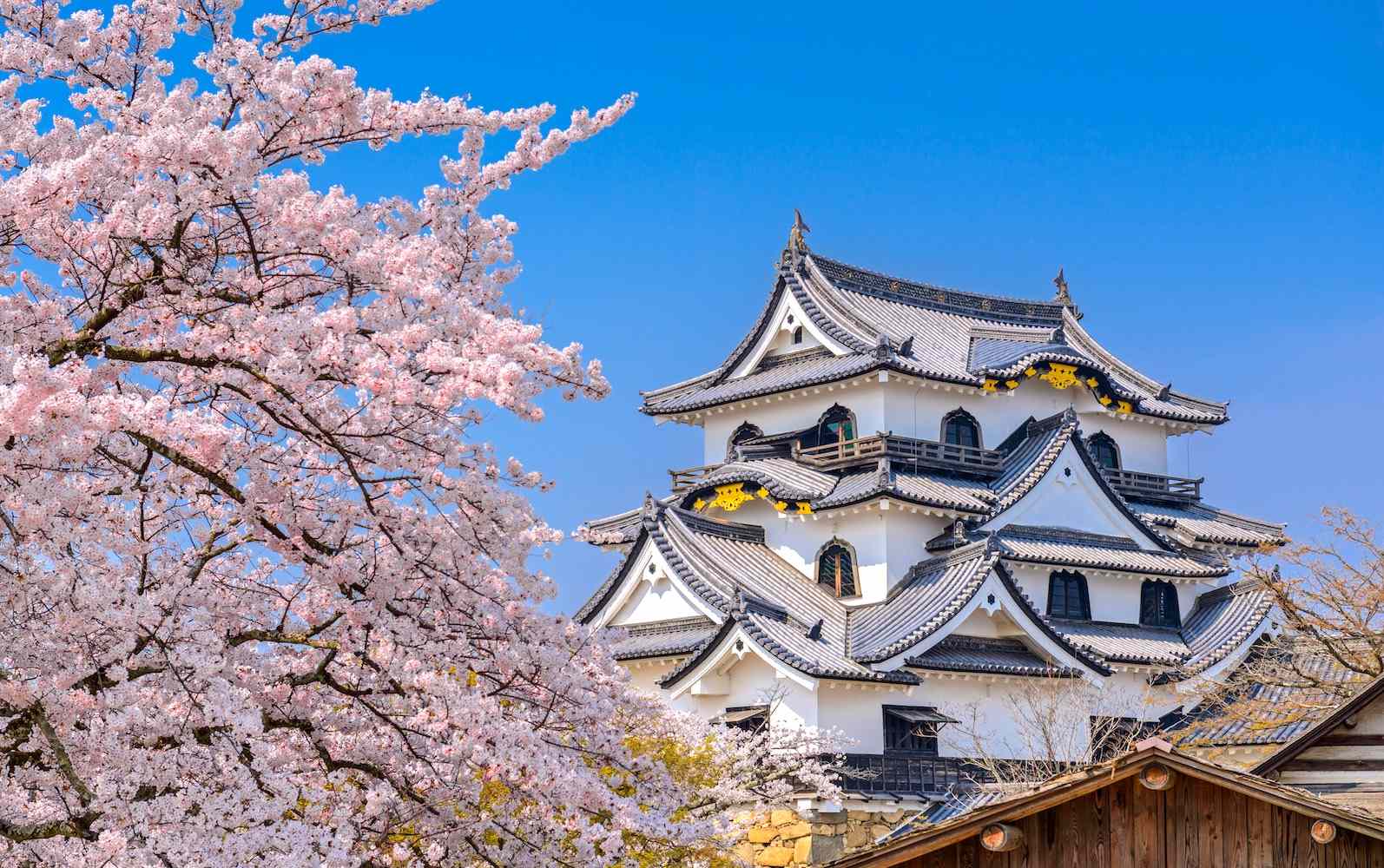
The best time to visit Kyoto is during spring (March to April) and autumn (October to November) when the cherry blossoms and autumn leaves are in full bloom. However, these are also the peak tourist seasons, and the city can get crowded during this time. Alternatively, the winter season (December to February) offers its own charm with fewer crowds and snow-blanketed temples, but be prepared for cold temperatures. The Gion Festival in July and the To-ji Temple flea market on the 21st of each month are major events worth marking your diary for.
**Climate & What to Pack**
Kyoto experiences a humid subtropical climate, having hot summers and moderately cold winters. Spring and Autumn bring mild, comfortable weather, so light layers with a comfortable pair of shoes are essential. For winters, packing warmer clothing, including scarves, gloves, and thermal wears is necessary due to the cold. Summers can be hot and humid, so lightweight clothing, a hat, and sunscreen are recommended.
**Getting There**
The nearest airports to Kyoto are Osaka’s Itami Airport and the Kansai International Airport. From there, you can take an airport limousine bus or the JR airport line to reach Kyoto. Japan offers tourist-friendly visa policies, but it’s best to check the current requirements from your native country.
**Getting Around Locally**
Kyoto’s transportation system is efficient and easy to navigate. The city is known for being bicycle-friendly and has extensive bus and subway routes. Renting a car is generally not necessary or recommended due to the efficient public transport options and the city’s narrow streets. Prior knowledge of some basic Japanese phrases can help navigate local transportation with more ease.
**Safety Tips**
Kyoto is considered very safe, with a low crime rate. However, tourists should still be aware of their belongings, especially in crowded places. As with any place you travel, respect the local culture and customs. When visiting temples and shrines, be mindful of the etiquette, such as removing your shoes before entering.
**Top Things to Do & See**
From visiting the breathtaking Fushimi Inari Shrine and the stunning Golden Pavilion Kinkaku-ji, to strolling down the historic Higashiyama district, experiences in Kyoto are diverse and fascinating. Don’t miss out on a traditional tea ceremony or a trip to Arashiyama Bamboo Grove. For those interested in Japan’s ancient culture, attending a Kabuki theatre performance is a must.
**Where to Stay**
Accommodations in Kyoto range from luxury hotels and traditional Ryokans to modest guesthouses and backpacker hostels. For a good balance of traditional charm and modern convenience, Higashiyama and Downtown Kyoto are great areas to stay. Budget travelers can find numerous hostels and guesthouses in the area around Kyoto Station.
**Food & Local Cuisine**
Japanese cuisine takes a center stage in Kyoto with its Kaiseki (traditional multi-course meal), Yudofu (tofu hot pot), and Matcha-infused sweets. Be sure to try street food at the Nishiki Market or enjoy a cup of green tea at a local tea house. Remember, it’s customary in Japan to say “Itadakimasu” before you start eating.
**Cultural & Practical Tips**
The currency in Japan is the yen. While credit cards are accepted at many places, cash is still widely used, especially in smaller restaurants and shops. Free Wi-Fi can be found in most hotels, cafes, and some public places. English is not commonly spoken, so having a translation app will be handy. Also, the power plugs and sockets are of type A and B, voltage is 100V.
**Sustainable or Responsible Travel Tips**
Respect the local culture and customs while visiting temples and shrines. There’s a strong emphasis on recycling in Japan, so make sure to dispose of your waste accordingly. Preserving nature is of great importance in Japanese culture, so always stick to walking paths and avoid disturbing flora and fauna, especially during Sakura (cherry blossom) and Koyo (autumn leaves) season.
**Personal Travel Tip**
One piece of advice for first-time visitors is to slow down and take in the beauty of the city. Kyoto isn’t just about sightseeing. It’s about experiencing the culture, the food, talking to the locals and really diving into the essence of what this magical city has to offer. Don’t rush; consider spending more time in fewer places to truly appreciate the depth of this city’s story.