**Overview of the Destination**
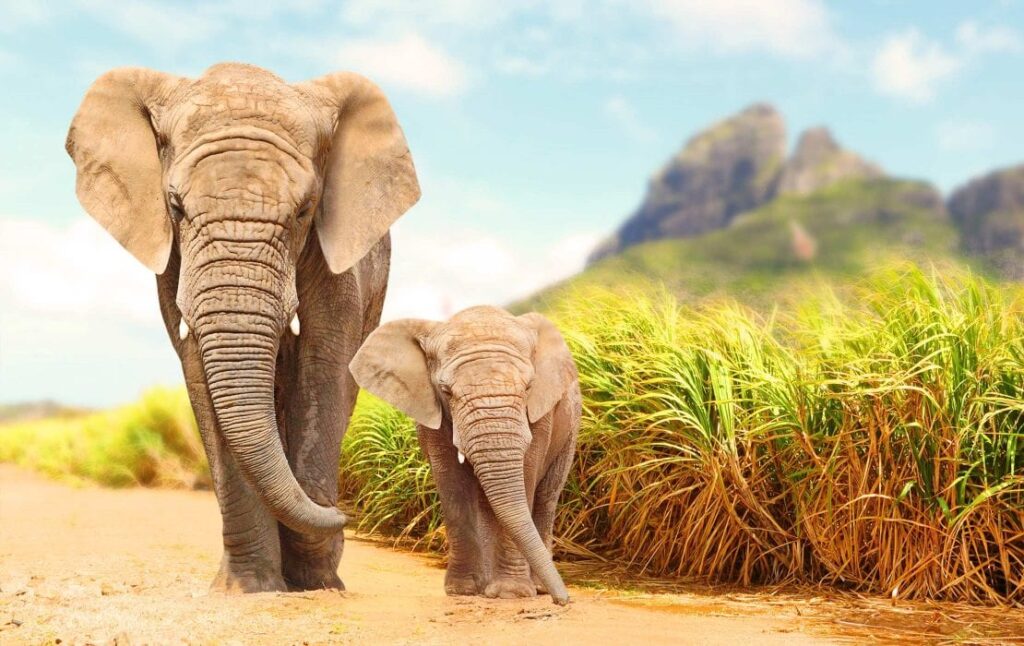
Nestled into the north-east of South Africa is the majestic Kruger National Park, one of Africa’s largest and most iconic game reserves. Famed for its high density of wild animals, this park is primarily known for the “Big Five” – the African elephant, Black rhinoceros, Cape buffalo, African lion, and the African leopard. But its biodiversity extends beyond these units to mesmerizing birdlife and hundreds of species of plants. A visit to Kruger National Park is a walk into the heart of wilderness. Embrace the wild and delve into the journey of a lifetime.
**Best Time to Visit**
The best time to visit Kruger National Park depends mostly on your wildlife viewing preference. For the best general wildlife viewing, the dry winter months (May to September) are ideal, as animals congregate around water sources. However, bird watchers may prefer the wet summer months (October to April) when migratory birds are in abundance.
Major events worth planning around include the Kruger National Park Marathon in June and the famous ‘Wine at the Park’ festival in February, showcasing South African wines.
**Climate & What to Pack**
The climate in Kruger National Park is subtropical, with hot, rainy summers and mild, dry winters. Temperatures range from 30-40°C in summers and 8-20°C in winters. Rain is mostly between November and February.
Given the warm temperatures and the outdoor nature of safaris, lightweight, breathable clothes in neutral or camo colors are ideal to blend with surroundings. Pack a sweater for chilly mornings and evenings. Also, bring a hat, sunglasses, sunscreen, insect repellent, and comfortable shoes. A good pair of binoculars and a camera are must-haves to capture amazing wildlife moments.
**Getting There**
The nearest major airports to Kruger National Park are Kruger Mpumalanga International Airport and OR Tambo International Airport in Johannesburg. On arrival, transfers to the park are available by a scheduled shuttle bus, private transfers, or car hire.
Visitors to South Africa must have a valid passport. Many nationalities do not require a visa for stays under 90 days, but please check your country’s specific requirements.
**Getting Around Locally**
Getting around Kruger National Park is best done by car. The park has a well-maintained road network, with both tar and gravel roads accessible for all vehicles. Renting a car or booking a guided safari tour are popular options. Public transport within the park is limited and walking is not permitted, due to safety concerns.
**Safety Tips**
While Kruger National Park is generally safe, do follow park rules for your safety, especially those concerning proximity to wild animals. Never attempt to feed, approach, or touch any wildlife. Avoid driving at night, and adhere to speed limits to prevent accidents with wildlife.
**Top Things to Do & See**
Apart from game drives, embark on a bush walk or wilderness trail with a trained guide. Visit the archeological site Thulamela, the Interpretive Centre, or one of the camp hides for unique wildlife viewing opportunities. For an unforgettable experience, opt for a hot air balloon safari.
**Where to Stay**
Kruger National Park offers accommodation options for all budgets. Luxury seekers can choose from upscale lodges like Singita Lebombo or Lion Sands. Mid-range accommodations include Sabi Sabi Bush Lodge or Protea Hotel by Marriott Kruger Gate. For budget travelers, numerous rest camps offer basic huts, bungalows, or camping spots.
**Food & Local Cuisine**
The park offers diverse dining options from its various camps, with local and international cuisine offerings. Try the traditional Boerewors (South African sausage), or a Braai (barbecue).
**Cultural & Practical Tips**
The local currency is the South African Rand. English is widely spoken. Tipping is customary, usually around 10%. South Africa uses Type M plug at 230V.
**Sustainable or Responsible Travel Tips**
Help conserve the fragile ecosystem by staying on designated roads and trails, and never leaving any trash behind. Respect wildlife by maintaining a safe distance, and remember that you are a visitor in their home.
**Personal Travel Tip**
A trip to Kruger National Park is a mesmerizing experience. Take the time to appreciate the moments of quiet beauty between the thrilling animal sightings. Remember, it’s not a zoo – it’s real and raw wilderness. Be patient, and let the magic of nature unfold in its own time. Enjoy every minute of your visit to the African masterpiece that is Kruger National Park.