**Overview of the Destination:**
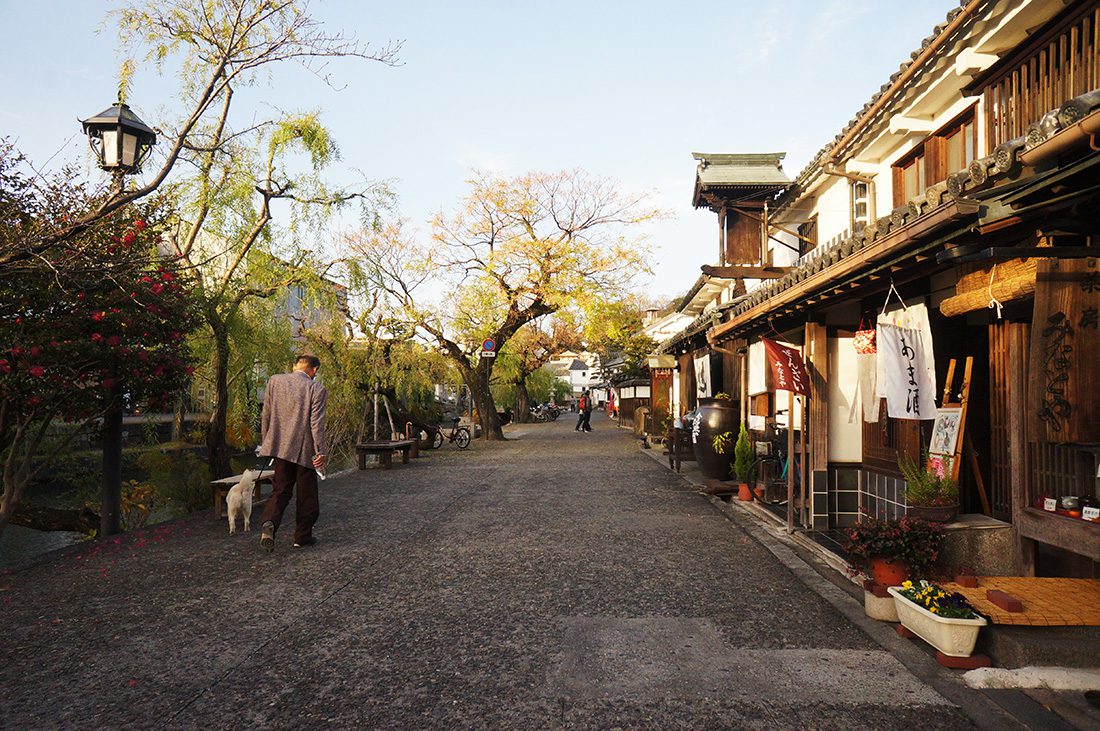
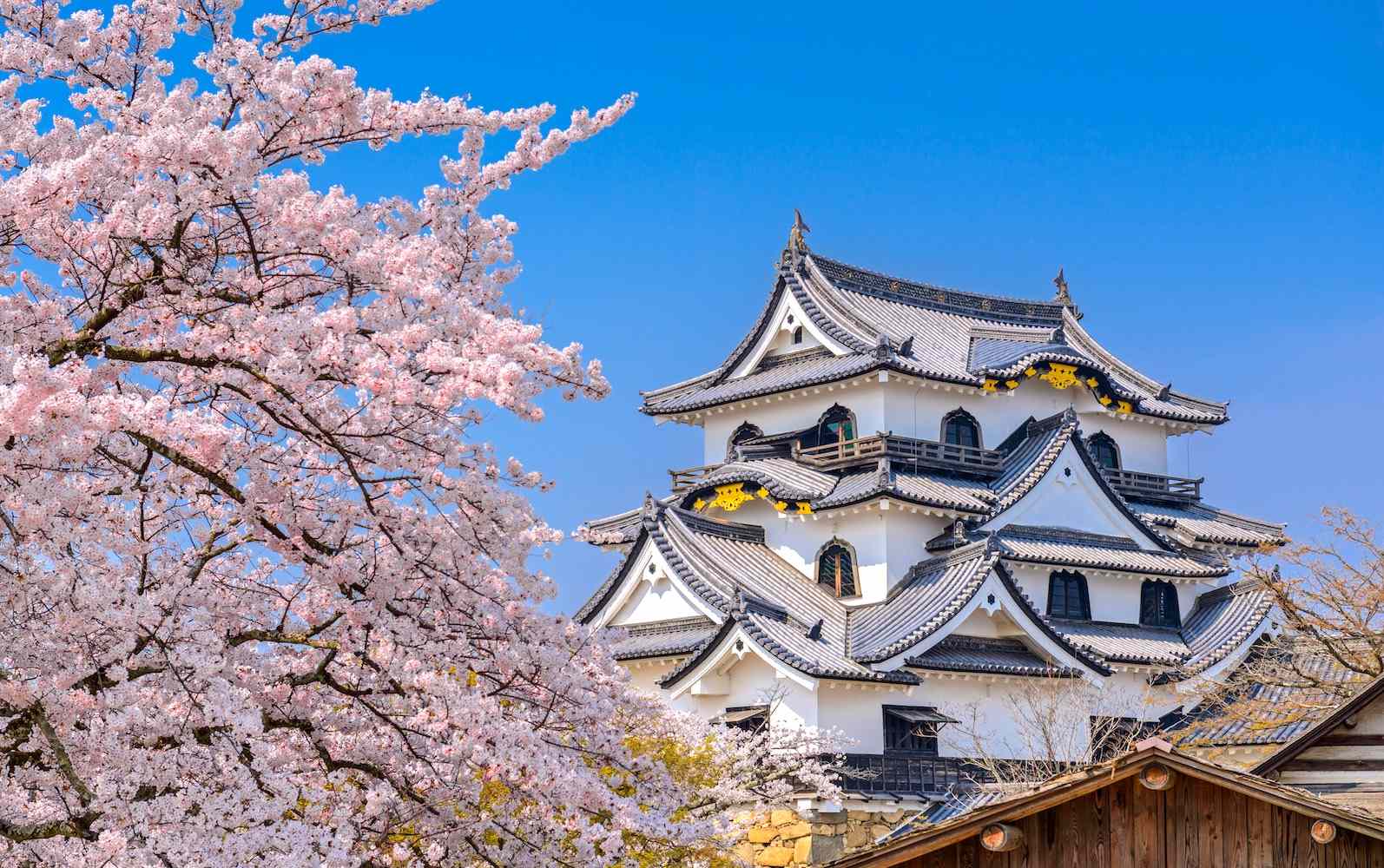
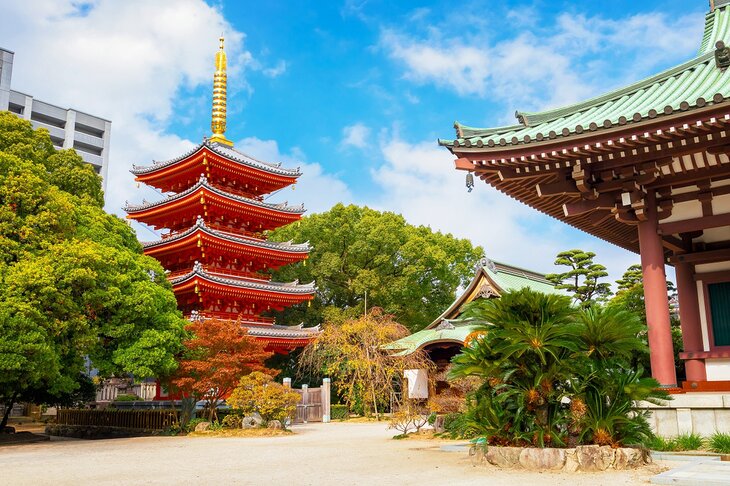
Fukuoka, the city on Japan’s Kyushu Island, is famous for its ancient temples, stunning beaches, vibrant nightlife, and delicious traditional food. It’s the merging point of traditional culture with modern living that sets Fukuoka apart – it’s where skyscrapers stand next to traditional wooden houses and neon lights illuminate cherry blossom paths. This harmony of old and new, coupled with its rich cultural history, excellent cuisine, and hospitality of the locals, makes Fukuoka a must-visit.
**Best Time to Visit:**
The best time to visit Fukuoka is from March to May during spring or from September to November in autumn, with mild, pleasant temperature and clear weather. Summer, from June to August, is humid and hot but also has the vibrant Hakata Gion Yamakasa festival. The winter months (December to February) are off-season, but advantages include cheaper accommodation and fewer crowds.
**Climate & What to Pack:**
Fukuoka has a humid subtropical climate. For spring and autumn, pack light layers and a light jacket for cooler evenings. Summer is hot and humid, so pack light, breathable clothing and ensure to carry sunscreen. In winter, bring a heavier coat or sweater as the temperatures can drop. Regardless of the season, do pack comfortable walking shoes as Fukuoka is great to explore on foot.
**Getting There:**
Fukuoka Airport is the nearest major airport. It is one of the most accessible airports in Japan, just a 5-minute subway ride from Hakata Station, the city’s transportation hub. Many international flights are available, and visa requirements depend on your nationality, so check beforehand.
**Getting Around Locally:**
Fukuoka’s public transportation is efficient and includes subways, buses, and taxis. The city is also fairly compact, making it wonderfully walkable, especially central areas like Tenjin and Hakata. For convenience, consider getting a Fukuoka Tourist City Pass for unlimited subway and bus rides. Renting a bicycle is another option due to the city’s bike-friendly nature.
**Safety Tips:**
Fukuoka is generally safe, but like any city, some caution is advised, especially at night in areas like Nakasu. Pickpocketing and scams are rare but possible in crowded places. As for customs, remember to remove your shoes when entering homes and some traditional restaurants.
**Top Things to Do & See:**
Fukuoka offers something for every traveler. Visit the historic Kushida Shrine, or take a stroll in the Ohori Park. For magnificent seaside views, head to Momochi Seaside Park. Explore Fukuoka Tower and Canal City for shopping and entertainment. For a taste of tradition, don’t miss a Sumo match if it aligns with your visit.
**Where to Stay:**
Accommodation ranges from luxury hotels like Grand Hyatt to mid-range choices like Hotel Nikko and budget options like guesthouses and hostels in Hakata. Hakata area is a good place to stay due to its proximity to main attractions and excellent public transportation networks.
**Food & Local Cuisine:**
Fukuoka is known for its food. Try local specialties like Hakata Ramen, Motsunabe (hot pot dish), and street food at Yatai stalls. Drinking etiquette suggests not pouring your own drink; instead, it’s a mutual exchange – you pour your companion’s drink, and they pour yours.
**Cultural & Practical Tips:**
The currency is the Japanese Yen, and the language is Japanese, though English is also understood in many places. Tipping is not customary in Japan. Electricity is 100 volts, with Type A plugs; you may need an adapter. Free Wi-Fi is available in many public areas, and SIM cards can be purchased at the airport.
**Sustainable or Responsible Travel Tips:**
When visiting temples, do follow the custom of washing hands and mouth before praying. Avoid littering and follow recycling regulations. Using public transportation or bicycles is an excellent way to reduce your carbon footprint.
**Personal Travel Tip:**
For a first time visitor, my personal tip would be to get a grasp of some basic Japanese phrases. Not only will this help you navigate, but it’s also appreciated by the locals. Also, embrace the local culture, whether it’s enjoying a quiet moment at a temple or digging into a bowl of Hakata Ramen – it’s all part of the Fukuoka experience!