Overview of the Destination
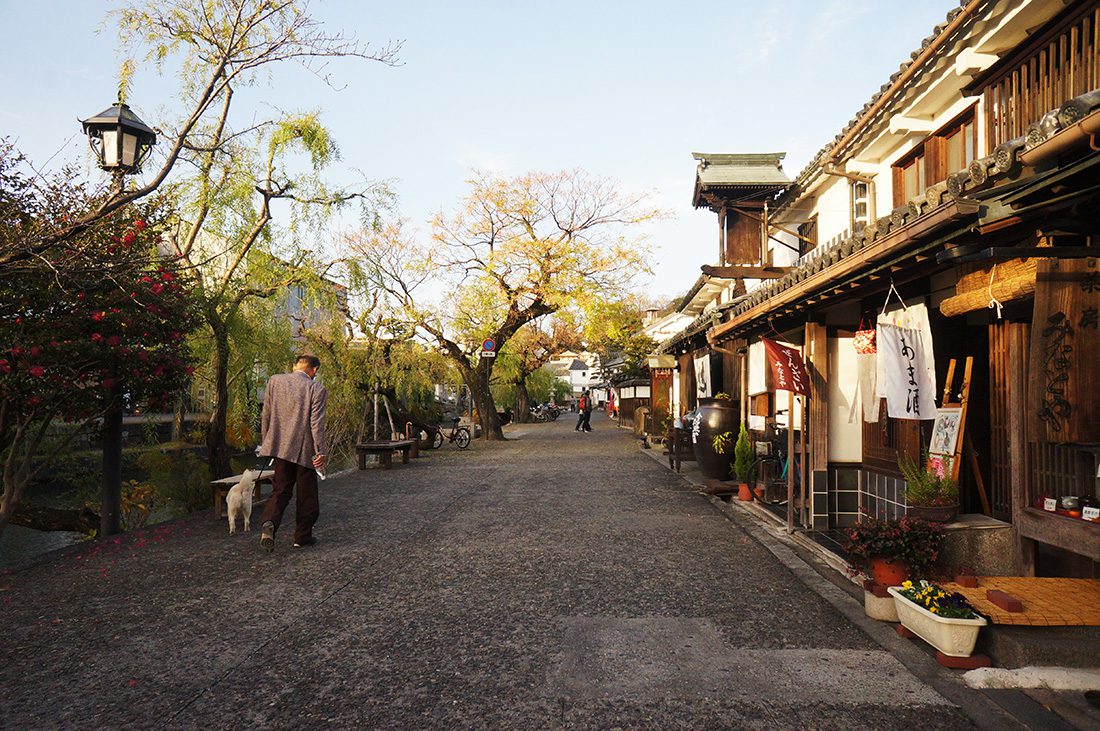
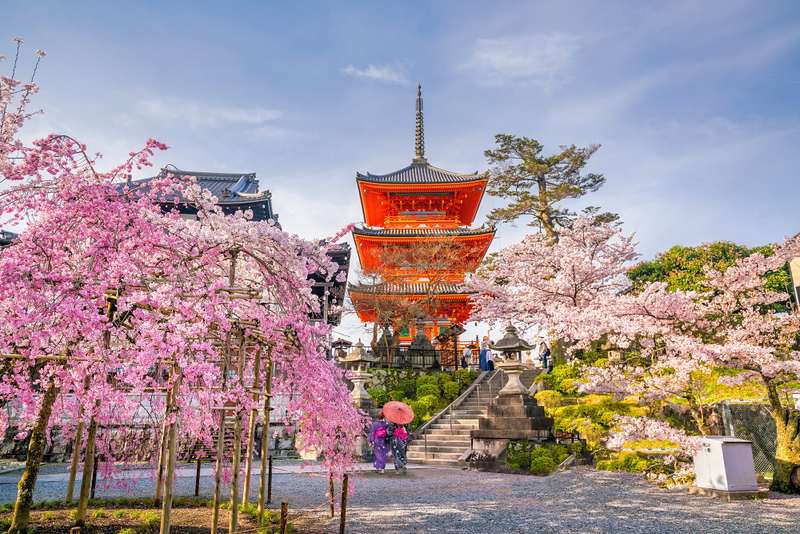
Kyoto, the ancient capital of Japan for over a thousand years, is internationally celebrated for its timeless beauty, ethereal temples, rich heritage, and deep cultural roots. Unique for preserving Japan’s traditional ethos alongside its status as a bubbling metropolis, Kyoto enchants visitors with its stunning fusion of old and new. The city is renowned for its incredible temples, idyllic gardens, iconic Geisha district, scenic beauty, and cultural experiences. Whether it’s exploring the grandeur of the Fushimi Inari Shrine or walking amid the flaming colours during fall at the Arashiyama Bamboo Grove, Kyoto promises a trip that transcends the ordinary!
Best Time to Visit
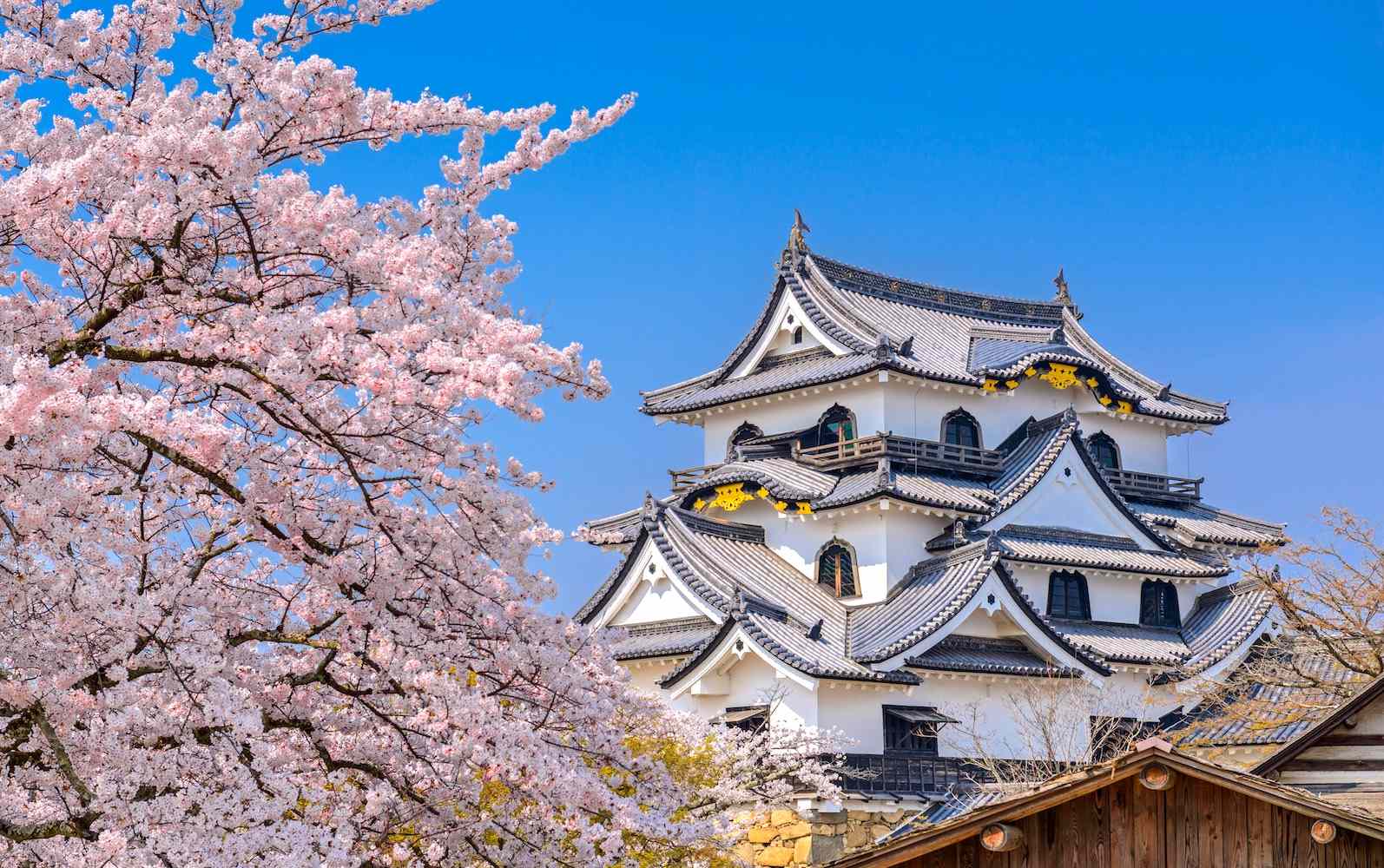
The best time to visit Kyoto is during spring (March to May) or autumn (September to November) when the cherry blossoms and fall foliage respectively, create beautiful landscapes. Remember, these peak seasons mean high tourist traffic. For a more relaxed experience, consider visiting in winter or summer, but be ready to brave the cold or humidity, respectively. The annual Gion Festival in July and Jidai Matsuri in October are major cultural events worth scheduling your trip around.
Climate & What to Pack
Kyoto experiences a humid subtropical climate with quite a bit of rainfall throughout the year. Summers (June-August) are hot and humid, while winters (December-February) can be cold. Spring and autumn are relatively mild and pleasant. Depending on when you visit, pack layers for fluctuating temperatures, along with a good pair of comfortable walking shoes. Don’t forget to carry an umbrella or raincoat for unpredictable showers.
Getting There
The nearest major airport to Kyoto is the Kansai International Airport in Osaka. From there, you can reach Kyoto via the JR Haruka train or airport limousine bus service. Be aware that many nationalities require a tourist visa for Japan, so make sure to verify this based on your country of residence.
Getting Around Locally
Kyoto’s public transportation system is quite extensive, consisting of trains, buses, trams, and subway lines. Taxis and rideshare services are available but can be expensive. Most of the city is quite pedestrian-friendly, with plenty of signs in English. Renting a bicycle could be a fun way to explore Kyoto’s quaint streets.
Safety Tips
Kyoto is generally considered safe, even for solo travelers. However, always carry a map (preferably digital), as many smaller streets do not have names. Watch out for crowded places, which might harbor pickpockets, and always respect local customs and etiquette. Don’t trespass into private properties when visiting the dense residential areas of Kyoto, and remember to keep your voice down to reduce noise pollution.
Top Things to Do & See
Apart from the UNESCO World Heritage temples like Kinkaku-Ji (The Golden Pavilion) and Kiyomizu-Dera, don’t miss the Fushimi Inari-taisha Shrine and its iconic thousand Torii gates. Explore the Arashiyama Bamboo Grove, visit the historic Gion district, and enjoy a traditional tea ceremony. For a unique experience, participate in a Zen meditation session in one of Kyoto’s lesser-known temples.
Where to Stay
Kyoto offers a range of accommodations to suit all budgets. Options range from luxury hotels in the bustling downtown district to mid-range ryokans (traditional Japanese inns) in Higashiyama, and budget-friendly hostels or guest houses around Kyoto Station.
Food & Local Cuisine
Kyoto cuisine celebrates the refinement of traditional Japanese dishes. Try Kaiseki (a traditional multi-course meal), Yudofu (tofu hotpot), and Matcha-flavored sweets. When dining, always use both hands when passing plates or bowls. Local food markets such as Nishiki Market are also great places to explore and taste street food.
Cultural & Practical Tips
The currency in Japan is the yen (¥). While English isn’t generally spoken widely, most signs have an English translation. Tipping isn’t customary in Japan. Power plugs are type A and B, with a standard voltage of 100V. Most accommodations and cafes provide Wi-Fi, although it’s advisable to buy or rent a portable Wi-Fi for convenience.
Sustainable or Responsible Travel Tips
Respecting local culture and traditions is paramount in Kyoto. Be mindful of your actions – for example, do not touch or ring the temple bells or gongs unless it’s permitted. Use public transport to minimize your carbon footprint. Always carry a reusable water bottle to reduce plastic waste.
To conclude, my personal tip for Kyoto explorers is this – take your time, and let the old-world charm of the city soak in. Don’t rush. Kyoto isn’t just about magnificent temples or traditional food, but also about finding the joy in serenity. Ask questions, interact with locals and most importantly, be present in your surroundings. Enjoy your journey through time and tradition in Kyoto!