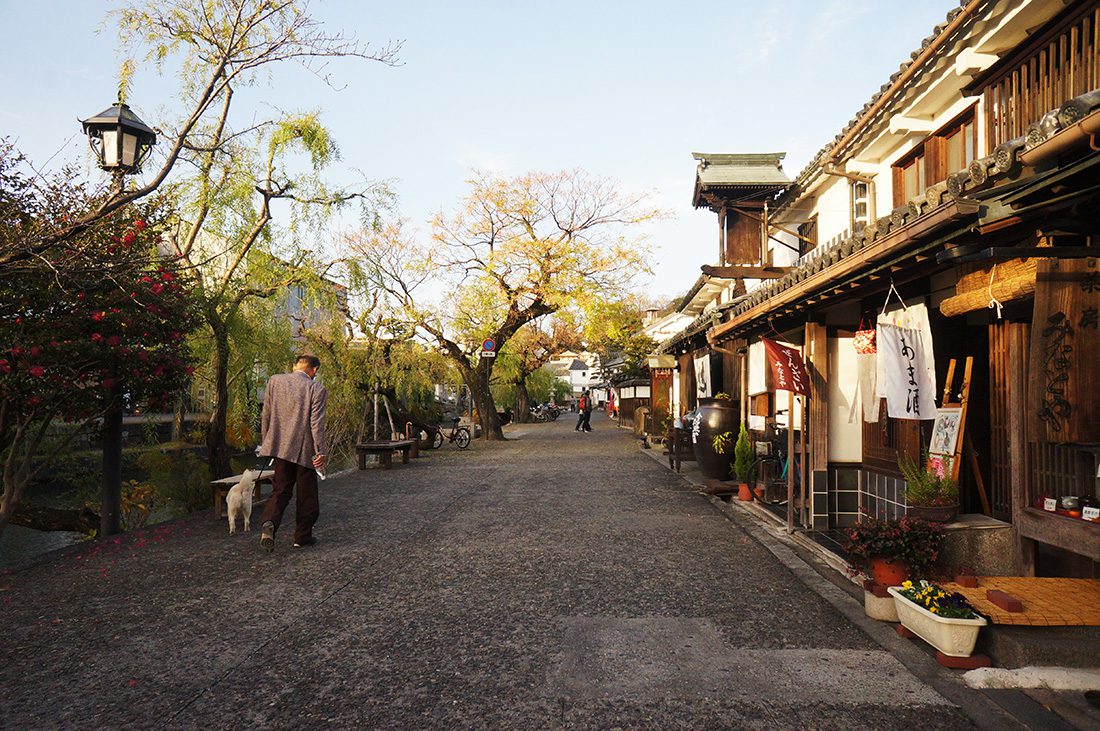
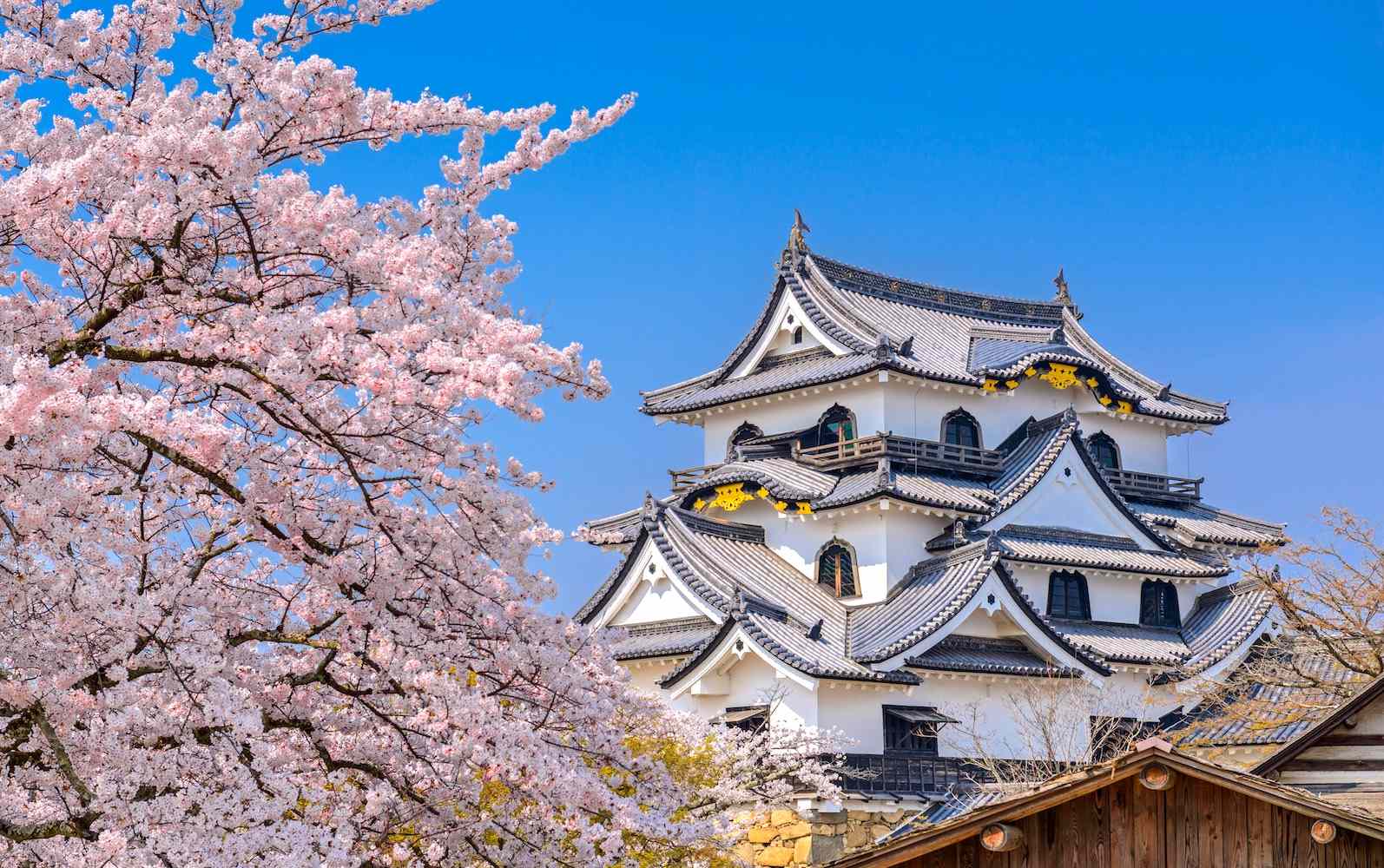
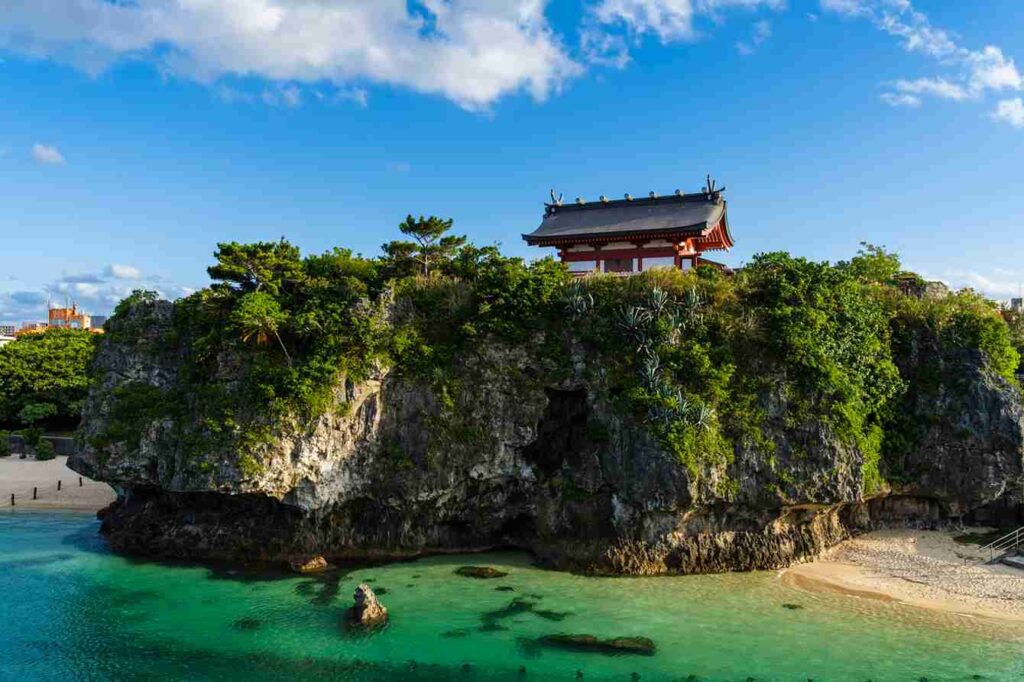
Okinawa is the southernmost prefecture of Japan, comprising more than 150 islands known collectively as the Ryukyu Islands. This beautiful archipelago is famous for its subtropical climate, stunning coral reefs, distinct Ryukyuan culture, serene beaches, and rich World War II history. What sets Okinawa apart and makes it worth visiting is its unique blend of Japanese and island culture, unmatched natural beauty, and the longevity of its residents, known to live longer than anywhere else in the world.
## Best Time to Visit Okinawa
The best time to visit Okinawa is from April to June, during the Spring season when the weather is mild, and the island is blooming with flowers. However, October and November also make for a good time to visit when the weather is comfortable and less crowded.
Okinawa has numerous festivals and events worth planning your trip around. The Naha Tug-of-War Festival in October is an incredible spectacle and Haru No Ogimi Village Festival, celebrating cherry blossom season in late January, is a sight to behold.
## Climate & What to Pack
Okinawa has a subtropical climate, meaning it’s warm year-round. However, it experiences heavy rainfall during the rainy season from May to June, and typhoon season between August and October. Be sure to pack light clothes, swimsuits, plus a good rain jacket and umbrella. Given its sunny climate, sunscreen, sunglasses, and a hat are also highly recommended.
## Getting There
Naha Airport is the primary gateway to Okinawa. The island is connected to many international and domestic cities. You can take a monorail or taxi from the airport to central Naha. There are also abundant rental car options if you wish to drive. Citizens of many countries can enter Japan without a visa for a short stay.
## Getting Around Locally
Okinawa’s public transportation is not as developed or punctual as the rest of Japan. Renting a car is the best way to explore the sprawling island, but remember, driving is on the left side of the road. Expect taxis and rideshares to be available but pricey. Biking or walking around the smaller islands is also possible.
## Safety Tips
Okinawa is relatively safe, like most of Japan. However, beware of potentially dangerous marine life while swimming or diving. Follow local customs and etiquettes, as Ryukyu culture is unique and sacred to locals. Exercise common sense and maintain the same level of vigilance you would at home.
## Top Things to Do & See
Okinawa has something for everyone. A visit to Shuri Castle, a UNESCO World Heritage Site, Churaumi Aquarium, one of the largest aquariums in the world, or diving in the vibrant coral reefs is a must for all first-time visitors. Don’t miss a trip to the Ishigaki Islands for unspoiled beaches and clear waters.
## Where to Stay
A variety of accommodation options exist for every budget. Luxury options include the Ritz-Carlton in Naha or InterContinental ANA Manza Beach Resort. Mid-range hotels can be found in Naha city center. Budget travelers might want to explore guesthouses or hostels in Naha or Chatan.
## Food & Local Cuisine
Okinawa boasts a unique culinary experience, with dishes like Goya Champuru (bitter melon stir-fry), Okinawa Soba, and Rafute (braised pork belly). Also, do not miss out on trying Awamori, a local spirit. Visit local Izakayas, Sushi bars or beachside cafes to enjoy authentic Okinawan cuisine.
## Cultural & Practical Tips
The currency in Okinawa is Japanese Yen. English is not widely spoken outside tourist areas, so basic Japanese phrases could be helpful. Tipping is not a custom in Japan. Japan uses type A and B sockets, with 100V voltage. Wi-fi is usually available in hotels and cafes.
## Sustainable or Responsible Travel Tips
Support local businesses and respect the rich cultural heritage of Okinawa by adhering to local customs. Respect nature by not touching marine life when diving or snorkeling and disposing of your trash properly.
In the end, the charm of Okinawa lies in its slow pace of life and rich cultural history. Immerse yourself in the local culture for a truly enriching experience. Ensure you enjoy your stay but be mindful not to disturb the natural or cultural harmony of the region. Remember, you’re not just a traveler but a guest in their home.