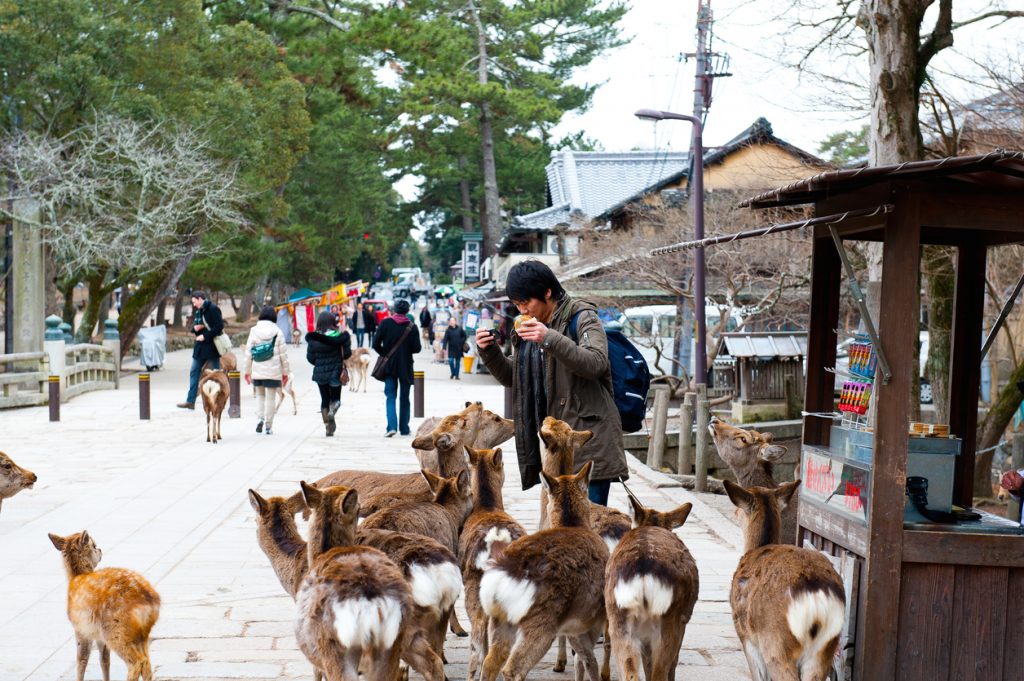
Nara, located less than an hour from both Kyoto and Osaka, is commonly known as the birthplace of Japanese culture. Famous for its historic treasures, including some of Japan’s oldest Buddhist temples, Nara is also known for its free-roaming deer which are considered sacred and symbolic of the city. With its rich history, unique wildlife, and tranquil atmosphere, Nara is not to be missed when visiting Japan.
**Best Time to Visit: Nara**
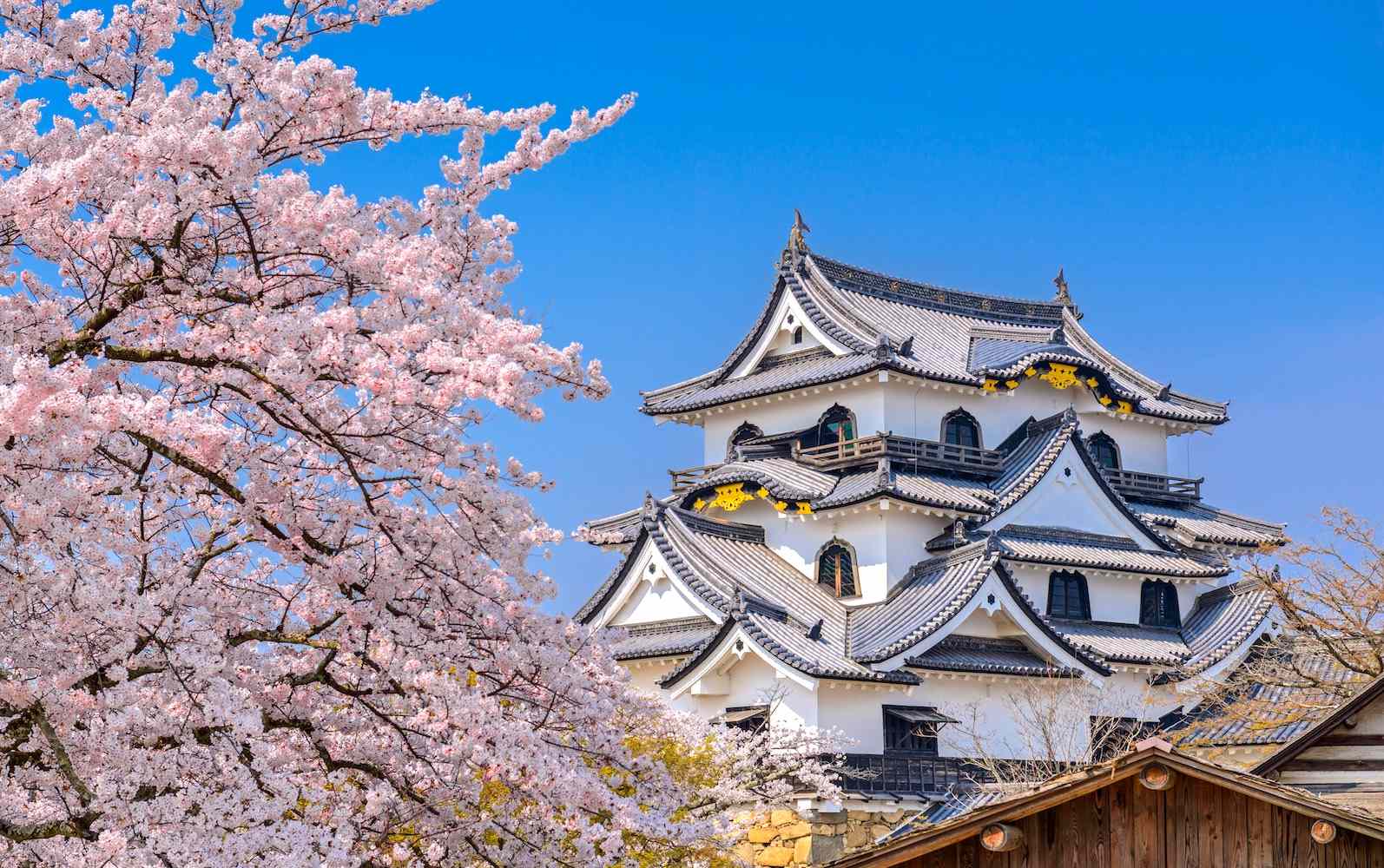
The peak seasons for Nara are spring (March to May) and autumn (September to November), when the weather is mild and the city is brilliantly adorned with cherry blossoms or autumn foliage. These are also the seasons for major events like the Omizutori festival in March or the Kasuga Wakamiya On-Matsuri in December. The summer months (June to August) can get considerably hot, while winter (December to February) can be chilly but is usually crowd-free and peaceful.
**Climate & What to Pack**
Nara experiences four distinct seasons. Spring and autumn witness mild temperatures, hence light sweaters and jackets are ideal. Summer can be quite hot and humid so breathable, light clothing is suggested. In winter it can be cold, so make sure to pack heavy coats, scarves, gloves and hats. Comfortable walking shoes are essential as you’ll be doing a lot of walking exploring temples and parks.
**Getting There: Nara**
The nearest major airport is Kansai International Airport in Osaka. From the airport, you can take a direct train or bus to Nara. Japan has a visa-exempt arrangement with many countries, but make sure to check the visa requirements for your nationality before your trip.
**Getting Around Locally: Nara**
Nara’s main attractions can be explored on foot or by renting bicycles. Public transport, like buses and trains, are reliable and convenient. Note that while taxis are available, they can be quite expensive. English signage is common for most of the places in Nara easing the travel.
**Safety Tips: Nara**
Nara is generally very safe, but it’s always important to stay alert and keep an eye on your belongings, especially in crowded places. Be respectful when interacting with the wild deer; while they’re accustomed to humans and are generally tame, they can occasionally behave unpredictively.
**Top Things to Do & See: Nara**
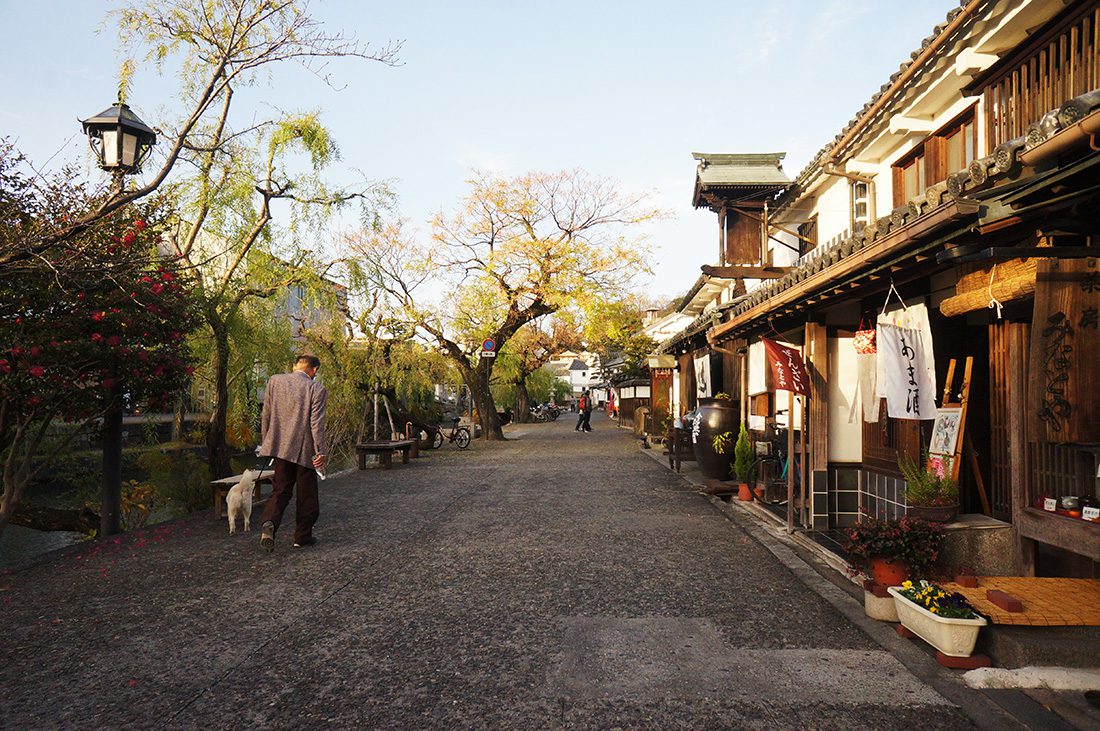
Must-see attractions include Todai-ji Temple, hosting the world’s largest bronze Buddha statue, and Nara Park, where you can interact with the city’s famous deer. Don’t miss out on the Isuien Garden, a beautiful traditional Japanese garden, and Naramachi, the old town area with well-preserved historic buildings and traditional merchant houses.
**Where to Stay: Nara**
For luxury accommodations, the Nara Hotel offers historic charm, while the Hotel Nikko Nara provides modern conveniences. Mid-range options include the Comfort Hotel Nara and Hotel Asyl Nara Annex. For budget travelers, the Nara Backpackers is a great choice. Staying around Nara Park or Nara Station is generally most convenient.
**Food & Local Cuisine: Nara**
Nara’s traditional specialty is ‘kakinoha-zushi’, sushi wrapped in persimmon leaves. Another must-try is ‘chagayu’, a rice porridge made with green tea. Nara’s streets are lined with tea houses, sushi spots, and sophisticated kaiseki restaurants, so there’s something for everyone.
**Cultural & Practical Tips: Nara**
The currency in Japan is the yen. Japanese is the official language, though English is commonly understood in tourist areas. Tipping isn’t customary. Japan uses type A and B plugs with a standard voltage of 100V. Wi-Fi is commonly available at hotels and some public areas.
**Sustainable or Responsible Travel Tips: Nara**
When dealing with Nara’s famous deer, remember that they’re wild animals despite their tame demeanor. Keep a respectful distance, do not tease, and feed them only with the designated deer cookies sold in parks. Practice the “Leave no trace” principle, always disposing of your trash responsibly.
**Personal Insight: Nara**
Allow yourself to wander off the beaten path in Nara. Some of the best experiences could be serendipitous encounters with charming backstreets, hidden temples, and secret gardens. So, take your time, open your senses, enjoy the tranquility and let Nara reveal its secret beauty to you.